
Common Mistakes to Avoid When Choosing a Market Ready Taxi App Solution
The ride-hailing industry is growing faster than ever. From local taxi businesses to ambitious startups, everyone wants a share of the on-demand mobility market. And the easiest way to enter this space today is through a market ready taxi app solution.
Instead of building everything from scratch, businesses are choosing pre-built platforms that promise faster launch, lower costs, and scalability. But here’s the reality choosing the wrong solution can cost you time, money, and long-term growth.
Not all ready-made taxi app software is built the same.
Some platforms look great in demos but fail when real users come in. Others limit customization, making it hard to scale your business later. That’s why making the right choice from day one is critical.
Let’s break down the most common mistakes businesses make and how you can avoid them.
1. Choosing Based on Price Instead of Value
One of the biggest mistakes startups make is selecting a taxi app solution for startups purely based on cost.
A low-cost solution might seem attractive initially, but it often comes with-
- Limited features
- Poor scalability
- Hidden costs for upgrades
- Weak technical support
In the long run, you end up spending more fixing issues or switching platforms.
Instead, focus on value over price. Look for a scalable taxi app solution that supports your growth, not just your launch.
2. Ignoring Scalability from Day One
Many businesses choose a pre-built taxi app platform thinking only about their current needs.
But what happens when-
- Your user base grows rapidly?
- You expand to multiple cities?
- You onboard hundreds of drivers?
If your platform cannot handle scale, your business will struggle.
A strong ride-hailing app software should support-
- High user traffic
- Multi-location operations
- Real-time performance without lag
Always choose a solution that grows with your business.
3. Limited Customization Capabilities
A white label taxi app solution should allow full branding and customization.
But many platforms offer only surface-level changes like logo and colors. That’s not enough.
Your business may need-
- Custom pricing models
- Unique ride categories
- Local payment integrations
- Region-specific features
Without flexibility, your app will look like every other clone in the market.
Choose a solution that gives you control not just a template.
4. Overlooking User Experience (UX)
No matter how powerful your platform is, if the user experience is poor, customers won’t stay.
A common mistake is ignoring-
- App loading speed
- Booking simplicity
- Driver interface usability
- Navigation clarity
Your on-demand taxi app solution must offer a smooth and intuitive experience for both riders and drivers.
Remember, users compare your app with Uber and Ola not with other startups.
5. Not Checking Real-Time Capabilities
Real-time functionality is the backbone of any taxi booking app development solution.
Some businesses fail to evaluate this properly before choosing a platform.
Critical features include-
- Live GPS tracking
- Real-time driver allocation
- Instant ride updates
- Accurate ETA calculations
If these features are slow or inaccurate, it directly impacts customer trust.
Always test real-time performance, not just UI demos.
6. Ignoring Driver-Side Features
Most businesses focus heavily on the customer app and forget about drivers.
But drivers are the backbone of your platform.
A weak driver app leads to-
- Low driver retention
- Poor service quality
- Operational inefficiencies
Your ride-hailing app software should include-
- Easy ride management
- Transparent earnings tracking
- Navigation support
- Incentive systems
Happy drivers = better customer experience.
7. Lack of Business & Admin Control
A strong pre-built taxi app platform should empower you as a business owner.
Many solutions limit admin capabilities, making it hard to manage operations.
You should have access to-
- Real-time analytics
- Revenue tracking
- Driver management
- Surge pricing controls
- Customer insights
Without proper control, scaling your business becomes difficult.
8. Poor Integration Capabilities
Modern taxi platforms need to connect with multiple systems.
Some ready-made taxi app software lacks integration flexibility.
Important integrations include-
- Payment gateways
- SMS & notification services
- Maps & navigation APIs
- CRM tools
A flexible taxi app solution for startups should support seamless integrations for smooth operations.
9. No AI or Smart Features
The future of mobility is driven by intelligence.
Yet many businesses still choose basic platforms without advanced capabilities.
A modern on-demand taxi app solution should include-
- Smart route optimization
- Demand prediction
- Dynamic pricing
- Fraud detection
AI is no longer optional it’s a competitive advantage.
10. Ignoring Support & Maintenance
Even the best platform needs ongoing support.
A common mistake is choosing a vendor that disappears after deployment.
Without proper support, you may face-
- Downtime issues
- Security risks
- Slow updates
Always choose a provider that offers reliable support, updates, and long-term partnership.
11. Not Evaluating Security & Compliance
Security is often overlooked but extremely important.
Your white label taxi app solution will handle-
- User data
- Payment information
- Location tracking
A weak system can lead to data breaches and legal issues.
Ensure your platform follows strong security standards and compliance practices.
Final Thoughts
Choosing the right market ready taxi app solution is not just a technical decision it’s a business decision that defines your growth.
Avoiding these common mistakes can save you from costly setbacks and help you build a platform that truly scales.
The right solution should offer-
- Strong performance
- Full customization
- Scalable infrastructure
- Smart features
- Reliable support
Because in the ride-hailing business, success doesn’t come from just launching fast it comes from building smart.
Recent Blogs
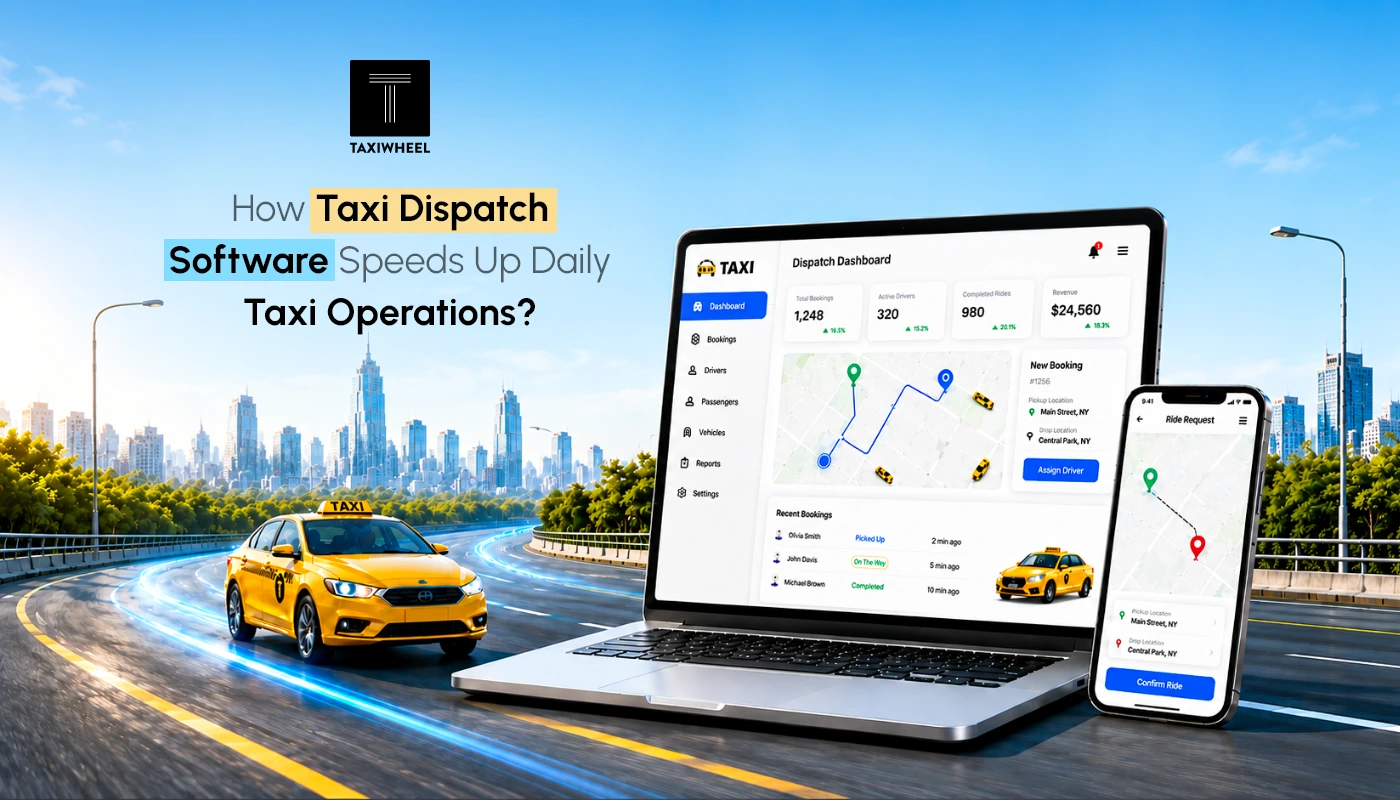
Taxi dispatch software is a centralized platform that automates ride booking, driver assignment, trip tracking, payments and fleet management. It helps taxi operators reduce manual coordination, improve driver utilization, shorten passenger wait times and manage daily operations from a single dashboard. As customer expectations shift toward faster bookings, real-time tracking and cashless payments, relying on […] Read more
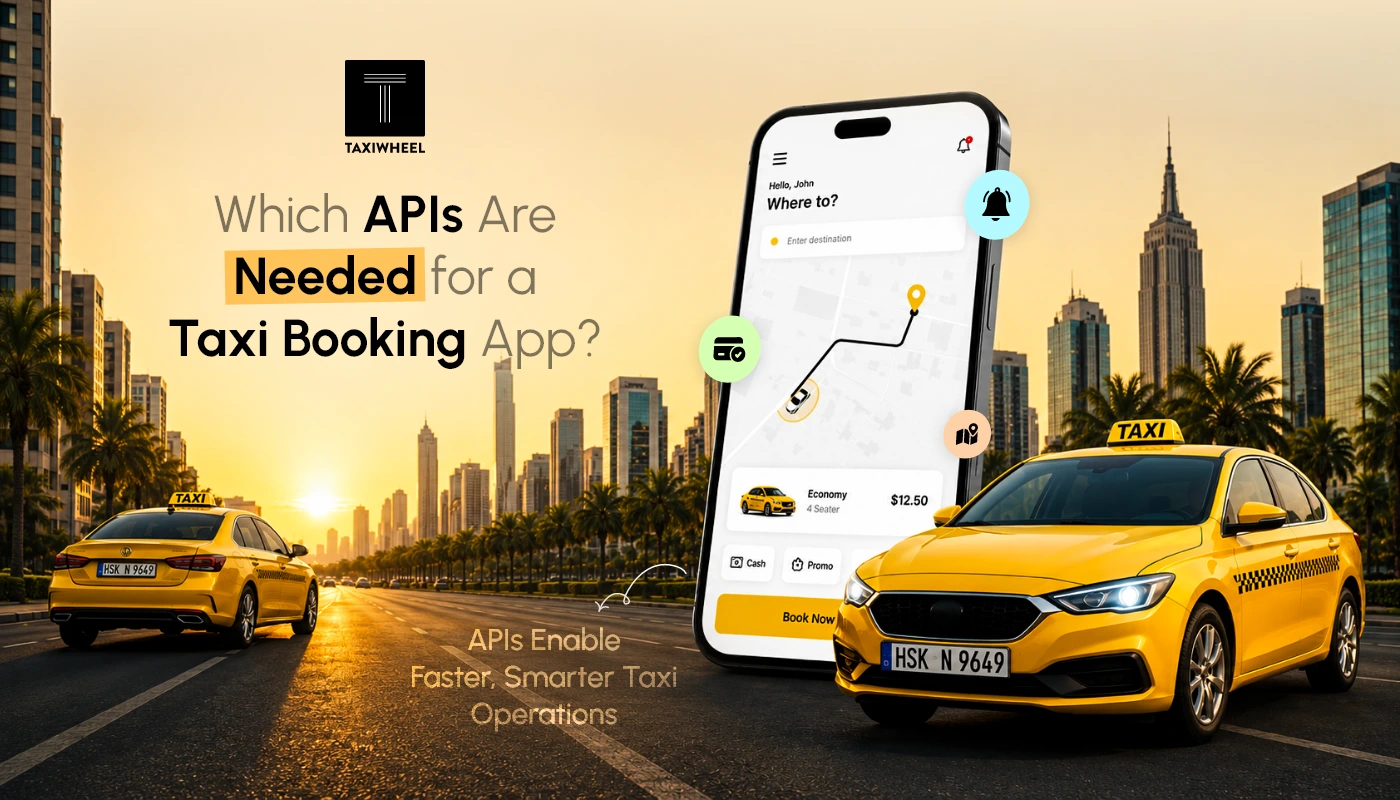
A taxi app API is a software interface that allows a ride-booking platform to exchange data with maps, payment gateways, notification services, dispatch systems, and other external technologies. APIs form the operational backbone of modern ride hailing apps. They help passengers find pickup locations, allow drivers to receive trip requests, calculate routes and fares, process […] Read more

Taxi apps are no longer just about booking a ride and tracking a driver. In 2026, AI is quietly powering the decisions that happen behind every smooth trip. It helps taxi businesses assign drivers faster, predict demand, calculate smarter fares, reduce waiting time, and improve customer support. For fleet owners, startups, and transport operators, this […] Read more