
Future of Ride-Hailing- AI, EVs, and Driver-Owned Platforms in 2026
Ride-hailing, however, is no more about booking a cab from point A to B, it is transitioning into a highly intelligent, sustainable and decentralized ecosystem driven by advanced technologies and changing business models in 2026.
From AI impacting taxis operations to electric vehicles going mainstream and the growth in driver owned platforms, a metamorphosis is changing how mobility businesses are built and scaled.
If you are planning to be or grow in this space, knowing what the future looks like for ride hailing 2026 is not an option it’s your competitive advantage.
The Shift from Traditional Taxi Models to Smart Mobility Platforms
Ride-hailing has moved far beyond basic booking apps. Today’s platforms are built on automation, data intelligence and user-centric experiences.
Modern businesses are adopting white label taxi app solutions that allow them to launch fully functional platforms without building everything from scratch. This shift enables faster go-to-market, reduced costs and better scalability.
At the same time, users expect more real-time tracking, transparent pricing, seamless payments & personalized experiences. This is where technology becomes the backbone of the industry.
AI Is Redefining the Ride-Hailing Experience
Artificial intelligence is at the core of the transformation. The role of AI in taxi industry operations goes far beyond automation it’s about making smarter, faster & more accurate decisions.
An AI taxi dispatch system can now-
- Predict demand in specific locations
- Match drivers and riders efficiently
- Optimize routes to reduce time and fuel
- Adjust pricing dynamically based on demand
This means fewer idle drivers, faster pickups & improved customer satisfaction.
AI also enables personalization. Riders are now shown preferred routes, ride types & even recommendations based on their past behavior. This creates a more engaging and efficient experience.
For businesses, AI translates into higher efficiency, better utilization of resources & increased profitability a key factor in ride hailing industry trends 2026.
Electric Vehicles Are Driving Sustainable Growth
Sustainability is no longer a trend it’s a necessity. One of the biggest shifts in the industry is the rapid adoption of electric vehicles.
The electric vehicles ride sharing trends are being driven by-
- Rising fuel costs
- Government regulations and incentives
- Growing environmental awareness
An EV taxi business model offers long-term cost benefits, including lower fuel expenses and reduced maintenance costs.
Many ride-hailing platforms are now integrating EV fleets to-
- Reduce carbon footprint
- Improve brand perception
- Align with global sustainability goals
For fleet owners, transitioning to EVs may seem challenging initially, but the long-term ROI is significant. Charging infrastructure is expanding & battery technology is improving, making EV adoption more practical than ever.
In 2026, ride-hailing platforms that ignore EVs risk falling behind both competitively and environmentally.
The Rise of Driver-Owned Ride-Hailing Platforms
One of the most disruptive shifts in the future of ride hailing 2026 is the emergence of driver owned ride hailing platforms.
Traditional platforms often take high commission cuts, leaving drivers with reduced earnings. This has led to a growing demand for more equitable models.
Driver-owned platforms aim to-
- Reduce commission fees
- Increase driver earnings
- Give drivers more control over operations
- Build community-driven ecosystems
These platforms are gaining traction because they create a win-win situation driver earn more & customers often pay less.
With the help of white label taxi app solutions, launching such platforms has become easier and more cost-effective.
This shift is not just a trend it’s a structural change in how mobility businesses are owned and operated.
Can Small Businesses Compete with Industry Giants?
The biggest question many entrepreneurs ask is- can they really compete with global players like Uber?
The answer in 2026 is yes and technology is the reason.
With the availability of build your own taxi app platform solutions, small businesses can-
- Launch quickly without heavy development costs
- Customize features based on local market needs
- Focus on niche audiences or regions
- Offer better pricing or personalized services
Instead of competing globally, many businesses are winning locally by offering superior service and tailored experiences.
This democratization of technology is one of the most important ride hailing industry trends 2026, making the market more competitive and innovative.
Key Trends Shaping the Ride-Hailing Industry in 2026
The future is being shaped by a combination of technology, sustainability & new business models.
Here are the most impactful trends to watch-
- AI-Driven Operations
From dispatch to pricing, AI is optimizing every aspect of ride-hailing platforms.
- Electrification of Fleets
EV adoption is becoming standard, not optional.
- Decentralized Ownership Models
Driver-owned platforms are gaining popularity and trust.
- Hyper-Personalization
User experiences are becoming more tailored through data and AI insights.
- White-Label Platform Adoption
Businesses prefer ready-to-launch solutions over building from scratch.
Together, these trends are redefining how ride-hailing platforms operate and grow.
What This Means for New and Existing Businesses?
If you’re planning to enter the ride-hailing market or scale your existing business, 2026 offers massive opportunities but only if you adapt.
Businesses need to-
- Invest in AI-powered systems
- Explore EV integration
- Consider alternative ownership models
- Focus on user experience and personalization
The ability to adapt quickly will determine long-term success.
Conclusion- The Future Is Smarter, Greener & More Decentralized
The ride-hailing industry in 2026 is no longer controlled by a few dominant players. It is owned platforms.
This transformation is opening doors for startups, fleet owners & entrepreneurs to innovate and compete like never before.
Whether you’re exploring an EV taxi business model, implementing an AI taxi dispatch system, or planning to build your own taxi app platform, the future is full of possibilities if you’re ready to embrace it.
Frequently Asked Question
AI, GPS tracking, dynamic pricing, cloud systems, EV integration, automation tools, and secure payments are shaping modern ride-hailing platforms globally.
Start gradually with EV adoption, evaluate routes, leverage incentives, ensure charging infrastructure, and monitor performance before scaling the electric fleet.
Driver-owned platforms reduce commissions, increase earnings, improve transparency, build trust, and offer better control over operations compared to aggregator models.
A white-label taxi app can launch within weeks, depending on customization, branding, integrations, and testing, making it faster than custom development.
Consider market demand, competition, pricing strategy, technology, EV adoption, driver network, regulations, scalability, and customer experience before launching taxi business.
Recent Blogs
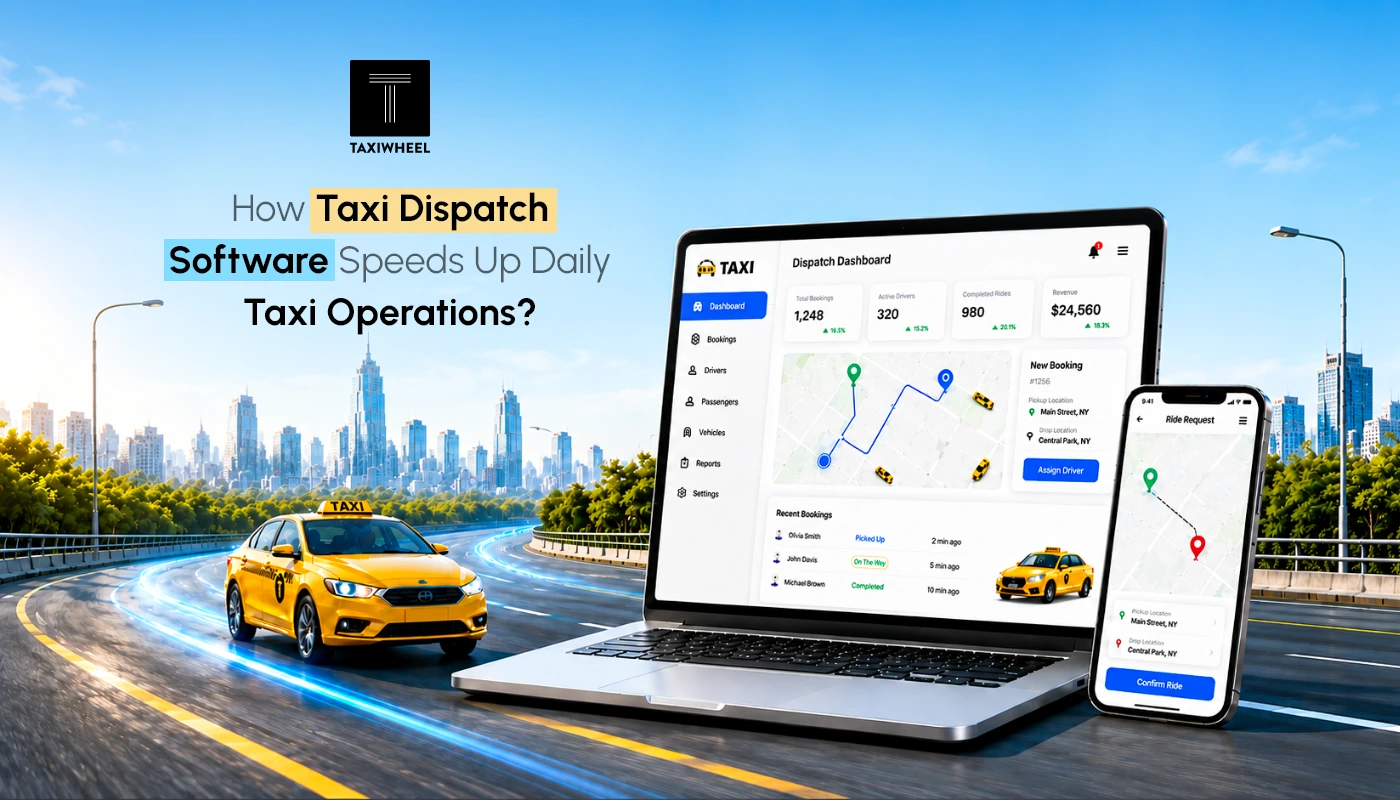
Taxi dispatch software is a centralized platform that automates ride booking, driver assignment, trip tracking, payments and fleet management. It helps taxi operators reduce manual coordination, improve driver utilization, shorten passenger wait times and manage daily operations from a single dashboard. As customer expectations shift toward faster bookings, real-time tracking and cashless payments, relying on […] Read more
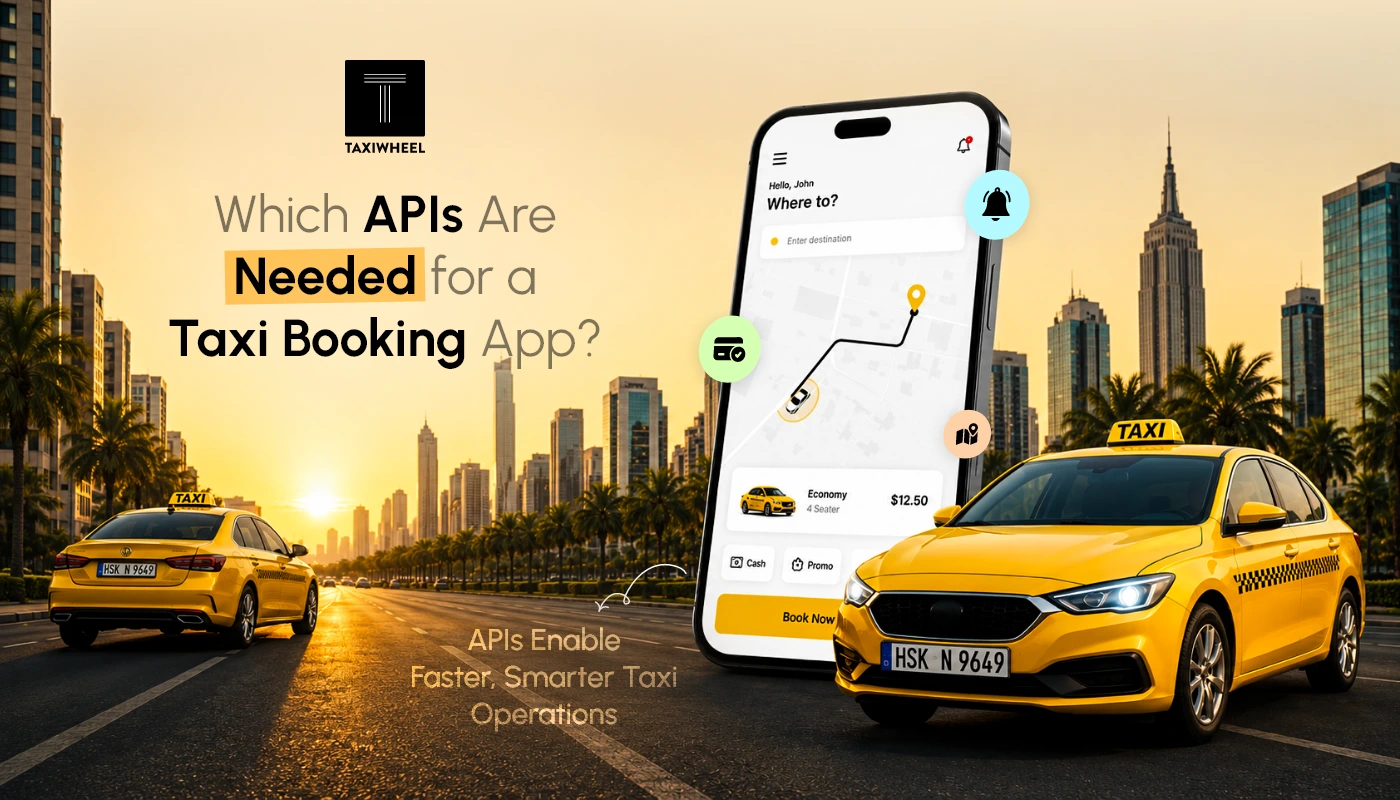
A taxi app API is a software interface that allows a ride-booking platform to exchange data with maps, payment gateways, notification services, dispatch systems, and other external technologies. APIs form the operational backbone of modern ride hailing apps. They help passengers find pickup locations, allow drivers to receive trip requests, calculate routes and fares, process […] Read more
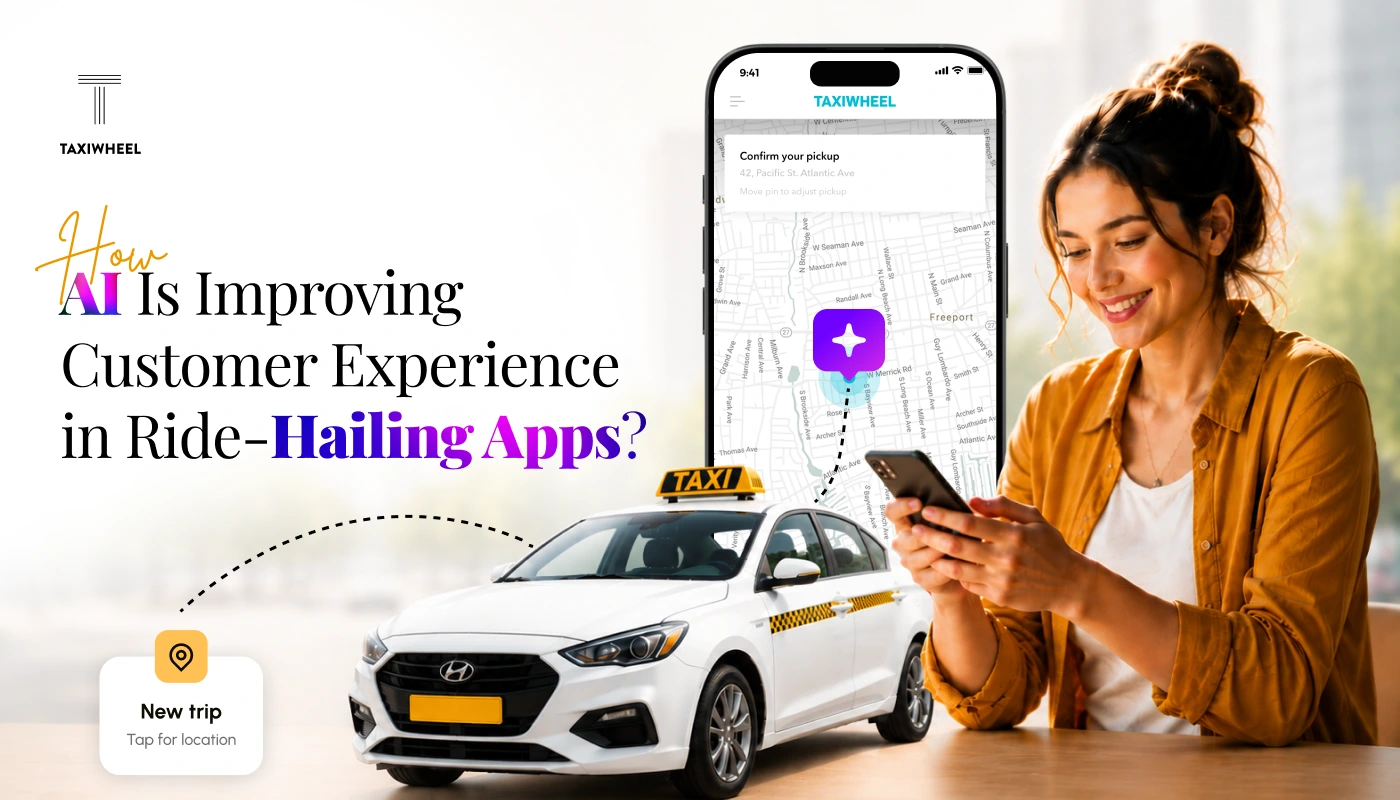
Taxi apps are no longer just about booking a ride and tracking a driver. In 2026, AI is quietly powering the decisions that happen behind every smooth trip. It helps taxi businesses assign drivers faster, predict demand, calculate smarter fares, reduce waiting time, and improve customer support. For fleet owners, startups, and transport operators, this […] Read more