
Best Practices to Build Trust in Taxi Apps
The ride-hailing industry is rapidly evolving—and so are the risks. Every time a rider books a trip, or a driver checks a route, valuable data moves through the system. For platform owners, this isn’t just about app performance. It’s about protecting the information that fuels the business.
From payment details to real-time locations, taxi app platforms handle enormous amounts of personal data. One breach is enough to lose customer trust, draw legal trouble, and stall growth. For those investing in taxi app development, especially through scalable platforms like a white label taxi app, a security-first mindset is no longer optional.
Here’s how the most resilient ride-hailing platforms are staying one step ahead.
Why Taxi Apps Must Prioritize Data Protection
The data collected by a taxi booking app isn’t trivial. Names, phone numbers, credit card details, saved locations, and chat histories are all in the system. With GPS tracking, it’s possible to build complete user profiles.
Now imagine falling into the wrong hands. Business leaders in the mobility sector are now under pressure to not only offer reliable service but also demonstrate responsibility. Customers expect it. Regulators demand it. And competitors are already investing in it.
If your taxi app development solution doesn’t account for modern cybersecurity practices, you’re leaving growth opportunities—and your reputation—vulnerable.
1. Build with Secure Architecture from Day One
A strong architecture minimizes risk before a single user even logs in. Every secure platform starts at the code level. When building or adopting a white label taxi app, insist on these backend security practices:
- Minimal access levels for different modules
- Role-based permissions across admin and driver dashboards
- Encrypted API calls and secure session handling
- Containerization or microservices to limit cross-platform impact
2. Encrypt All Communications (End-to-End)
Strong encryption ensures your taxi app solutions maintain integrity even during high-traffic operations. Riders share sensitive data with every tap—whether it’s logging in, chatting with a driver, or adding a payment method. To protect this:
- Use TLS 1.2+ for HTTPS communication
- Encrypt all chat, GPS, and transaction data
- Prevent data from being stored locally on devices without encryption
3. Strengthen Authentication for Users and Drivers
For fleet managers and admin portals, always use role-based controls to reduce the risk of internal data misuse. Strong passwords alone aren’t enough.
It is good to-
- Offer 2FA or OTP-based login
- Enable biometric authentication
- Monitor for brute-force login attempts
- Allow users to see and manage their logged-in sessions
4. Handle Payment Data the Right Way
A secure payment system strengthens your brand’s credibility and simplifies compliance. You don’t want to be liable for handling raw credit card data. Use trusted third-party gateways like Stripe or Razorpay that handle PCI-DSS compliance.
- Tokenize sensitive information
- Don’t store CVV or full card numbers
- Enable alerts for failed or repeated payment attempts
5. Monitor, Log, and Act—Intelligently
When building enterprise-level taxi app development solutions, consider integrating tools like Snyk, Datadog, or Splunk into your DevOps cycle. Security isn’t just prevention. It’s rapid detection.
- Use audit trails and intelligent logging
- Monitor for suspicious API calls and location spoofing
- Set up real-time alerts for abnormal behaviors
6. Perform Routine Security Testing
Investing in ethical hacking services now can save you from legal notices later. Cybersecurity isn’t a one-time setup. Schedule:
- Quarterly penetration testing
- Static and dynamic code analysis
- Testing after each major feature release
7. Be Transparent with Your Users
Customers feel safer when they know you’re working to protect them—and that transparency builds loyalty. Empower your users with clear options and updates:
- Let them view and revoke active sessions
- Notify them of account logins from new devices
- Share security tips in-app during onboarding
8. Clean Up Old Data
Less data means less risk. Set retention limits for:
- Trip history beyond a certain date
- Stored messages between riders and drivers
- Location logs older than 6 months
Implement policies that automatically delete or anonymize this data after a defined period.
9. Comply with Regional and Global Regulations
Each law has its own requirements for consent, retention, access, and breach notification. Work with legal counsel and compliance tools early in the taxi app development process to avoid heavy penalties later. Legal compliance isn’t optional. Depending on the market, this may include GDPR (EU), CCPA (California), and DPDP (India).
10. Choose a Security-Conscious Development Partner
The right tech partner can make or break your platform. At Codiant, our approach to taxi app solutions combines advanced encryption, compliance integration, and security-by-design principles.
We’ve helped mobility startups and global transportation firms create secure, scalable platforms with end-user trust built into the experience. If you’re using a white label taxi app, we audit every module before launch—covering APIs, dashboards, and payment flows.
Powered by TaxiWheel: Secure Infrastructure Built for Scale
TaxiWheel—a leading taxi app development platform—sets the standard for scalable, white-label ride-hailing solutions. With built-in GPS tracking, fleet analytics, driver onboarding, and role-specific access control, it’s engineered for growth and safety. Security features like SSL encryption, session tokenization, and location masking help fleet owners operate confidently.
Final Thoughts
Security is no longer a checkbox. It is part of your brand promise. Consumers are more cognizant of how their data is treated and go-to-market executives are looking for platforms that play nice with both performance and privacy.
Whether you are trying to start a taxi app business, or scaling up with a white labeled taxi app, or even upgrading your current infrastructure, security becomes the bedrock of your building. Build it solid, and your brand will scale more solidly.
Frequently Asked Question
Yes, it is safe for your business to use a white label taxi app. Once you choose a reputable white label taxi app, make sure it features end-to-end encryption, secure APIs, GDPR compliance, role-based access controls etc.
To make your taxi app PCI-DSS compliant, leverage secure third-party payment gateways, do not store raw card data on the servers, tokenize all transactions. It should be your development partner’s job to facilitate adding these features during development.
Absolutely. Face ID or fingerprint login enhances both security and convenience. These are essential features in modern taxi app development strategies.
Look for experience in secure coding, DevSecOps, GDPR compliance, and industry-specific data protection. Ask for past project examples and security audit reports.
At least once per quarter, or after any major feature release. Routine penetration testing and code analysis ensure your platform remains secure over time.
Recent Blogs
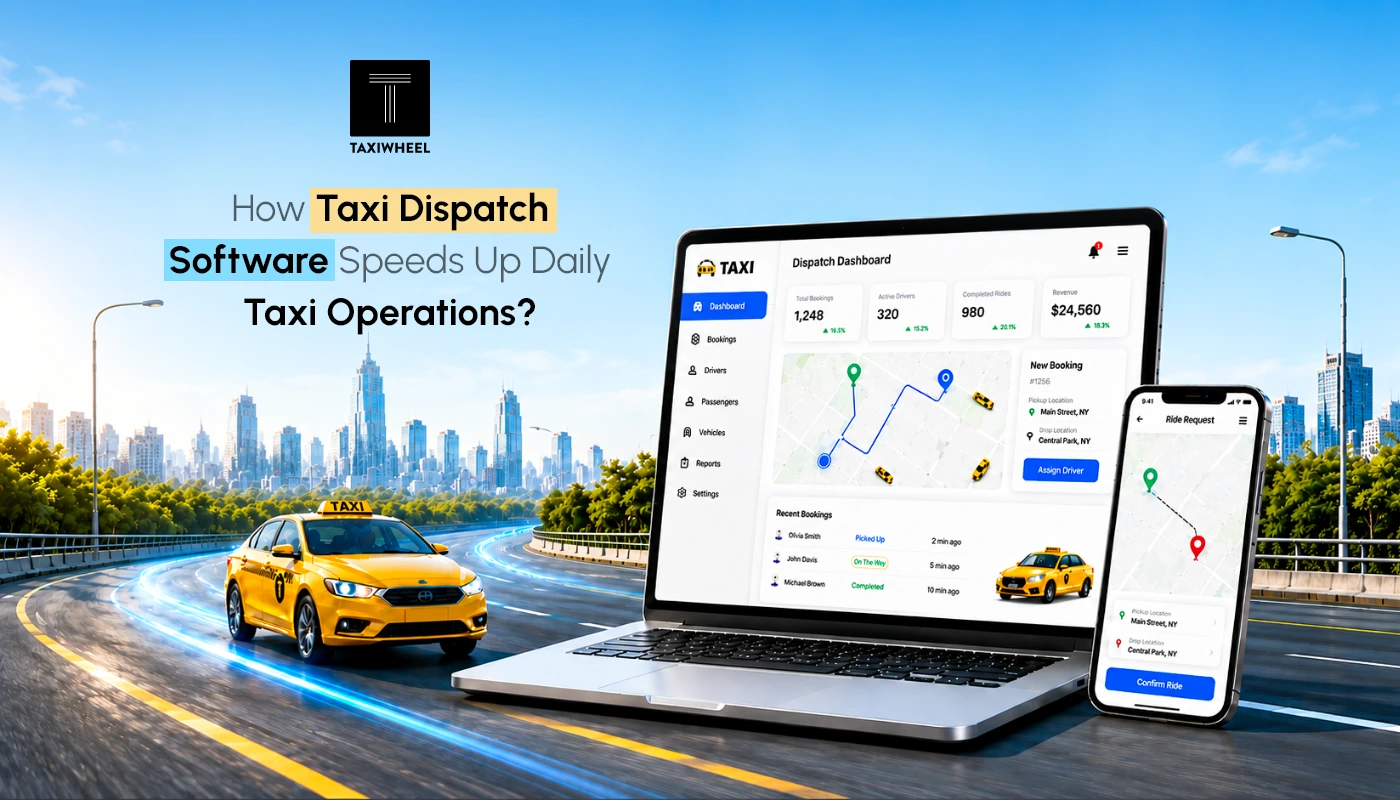
Taxi dispatch software is a centralized platform that automates ride booking, driver assignment, trip tracking, payments and fleet management. It helps taxi operators reduce manual coordination, improve driver utilization, shorten passenger wait times and manage daily operations from a single dashboard. As customer expectations shift toward faster bookings, real-time tracking and cashless payments, relying on […] Read more

A taxi app API is a software interface that allows a ride-booking platform to exchange data with maps, payment gateways, notification services, dispatch systems, and other external technologies. APIs form the operational backbone of modern ride hailing apps. They help passengers find pickup locations, allow drivers to receive trip requests, calculate routes and fares, process […] Read more

Taxi apps are no longer just about booking a ride and tracking a driver. In 2026, AI is quietly powering the decisions that happen behind every smooth trip. It helps taxi businesses assign drivers faster, predict demand, calculate smarter fares, reduce waiting time, and improve customer support. For fleet owners, startups, and transport operators, this […] Read more