
How Smart Cities Are Creating New Opportunities for Taxi Businesses
Smart cities are creating new opportunities for taxi businesses by connecting transport services with real-time data, digital payments, intelligent dispatch systems and multimodal travel platforms. These developments allow operators to serve more passengers, improve fleet utilization and introduce new models such as corporate mobility plans and taxi monthly subscriptions.
The U.S. Department of Transportation describes smart transportation as an integrated system that uses data, applications and technology to help people and goods move more quickly, affordably and efficiently.
For taxi operators, this transformation means moving beyond individual ride bookings. A modern taxi booking service can support first-and last-mile travel, public transport connections, scheduled commuting, subscription plans and specialized transport services.
However, these opportunities require the right technology. Operators need connected passenger and driver apps, automated dispatch, live vehicle tracking, digital payments and centralized fleet management. A customizable white label taxi app can provide this infrastructure without requiring the business to build every component from the beginning.
How Smart Cities Are Changing Urban Transportation
A smart city uses connected infrastructure, digital platforms and operational data to improve public services. In transportation, this can include intelligent traffic systems, digital ticketing, real-time passenger information, connected vehicles and on-demand mobility.
These systems do not eliminate the need for taxis. Instead, they can give taxi businesses a broader role within the city’s transportation network.
Key opportunities include:
- Providing first- and last-mile connectivity
- Supporting areas with limited public transport
- Managing scheduled employee transportation
- Offering accessible or specialized vehicles
- Connecting passengers with stations, airports and mobility hubs
- Providing subscription-based commuting
- Sharing permitted operational data with city platforms
The World Bank identifies on-demand mobility and digital ticketing as examples of smart mobility and supports transport systems designed to be safe, sustainable and inclusive. Its transport work also connects mobility with access to employment, markets and essential services.
What Is Smart Mobility in Transportation?
Smart mobility is the use of connected technologies, real-time information and integrated transport services to make urban travel safer, more accessible and more efficient.
For passengers, smart mobility can mean checking vehicle availability, comparing travel options, booking a ride, tracking the driver and paying digitally through one interface. For taxi businesses, it can mean automated dispatch, live fleet visibility, demand analysis and faster coordination between drivers and passengers.
The objective is not simply to introduce more technology. It is to use technology to solve practical transportation problems such as long wait times, disconnected services, inefficient routing and poor access in underserved areas.
A digitally managed online cab booking platform enables taxi operators to participate in this connected environment. It provides the operational data and system integrations needed to coordinate vehicles across changing demand conditions.
What Is Mobility as a Service (MaaS)?
Mobility as a Service, commonly called MaaS, brings multiple transport services together through a single digital customer interface.
According to the International Transport Forum at the OECD, MaaS can integrate transportation, travel information and payments to create a smoother customer experience.
A MaaS platform may combine:
- Buses and metro services
- Taxis and ride-hailing
- Car-sharing
- Bike- and scooter-sharing
- Demand-responsive transport
- Route planning
- Digital booking and payment
Taxis are particularly useful within a MaaS network because they can provide flexible, door-to-door transportation. They can complete parts of a journey that fixed-route services cannot conveniently cover, including early-morning trips, late-night journeys and travel between a passenger’s location and a transit station.
For taxi businesses, MaaS creates potential access to passengers who may not open a standalone taxi app first but select a taxi while planning a multimodal journey.
How Can Taxis Be Integrated into Smart City Transportation?
Taxi companies can be integrated into smart city transportation through APIs, connected booking systems and agreements with public or private mobility platforms.
An API allows separate platforms to exchange permitted information. For example, a journey-planning platform could retrieve available taxi options, estimated arrival times or booking details from a taxi operator’s system.
Practical integration opportunities include:
1. First- and Last-Mile Connections
Taxis can transport passengers between their homes and railway, metro or bus stations. These journeys help bridge gaps where fixed public transport does not reach the passenger’s final destination.
2. Mobility-Hub Services
Cities can create designated taxi pickup and drop-off areas near stations, airports, commercial areas and public facilities. Digital dispatch can direct the nearest suitable vehicle to these locations.
3. Demand-Responsive Transportation
Taxi fleets can support journeys in areas or at times when scheduled public transport is limited. Eligibility, pricing and service zones can be configured according to the program’s requirements.
4. Integrated Booking and Payment
Taxi journeys can be presented alongside other transport modes within a connected mobility platform. Depending on the commercial and technical arrangement, passengers may be able to plan, reserve and pay for the journey digitally.
5. Corporate and Institutional Transport
Businesses, hospitals, universities and public agencies can use taxi platforms to manage scheduled trips, authorized passengers, centralized billing and usage records.
The exact integrations available depend on local regulations, access to city systems and agreements between the participating organizations. We cannot confirm that every smart city provides open access to its transport infrastructure.
How Do Smart City Projects Improve Fleet Efficiency?
Smart city projects can improve fleet efficiency by making more timely transportation information available to operators. When a taxi platform combines booking activity, vehicle locations and trip status, dispatchers can make better operational decisions.
A connected taxi platform can help operators:
- Identify areas with active booking demand
- Assign nearby eligible drivers
- monitor active and scheduled trips
- reduce unnecessary manual coordination
- locate idle or underused vehicles
- review cancellations and unfulfilled requests
- compare demand across hours and service zones
- plan driver availability around recurring bookings
The actual improvement achieved will vary by fleet size, local demand, driver participation, dispatch rules and data quality. Therefore, a specific reduction in waiting time, fuel consumption or empty mileage cannot be promised without measuring the operator’s results before and after implementation.
Why Taxi Subscriptions Fit Smart-City Travel
Many urban journeys are repetitive. Employees travel to offices, students attend institutions, patients visit healthcare facilities and passengers regularly connect with transit stations.
A taxi monthly subscription gives these passengers an alternative to booking and paying for every trip separately. The operator may offer a fixed number of rides, a distance allowance, preferred rates or access to defined routes for a recurring payment.
Subscriptions can create opportunities for taxi businesses to:
- Build recurring customer relationships
- Make demand easier to anticipate
- Develop commuter-specific packages
- Serve corporate and institutional accounts
- Offer plans for specific routes or service areas
- Reduce repeated booking steps
- Create clearer monthly travel budgets for customers
A subscription should not automatically be promoted as unlimited travel unless the service genuinely includes unlimited eligible rides. Operators must clearly disclose usage limits, eligible areas, cancellation terms, validity periods and additional charges.
Can AI Improve Taxi Subscription Services?
Yes. AI can support taxi subscription services when the platform has sufficient, lawful and accurate operational data.
Possible applications include:
- Forecasting demand by location and time
- Recommending vehicles for dispatch
- Identifying recurring travel patterns
- Suggesting suitable subscription tiers
- Detecting unusual account or payment activity
- Predicting subscription cancellation risk
- Automating responses to routine customer questions
AI does not guarantee lower costs or better service. Its results depend on data quality, system design, monitoring and the decisions made from its recommendations.
Taxi operators must also consider privacy, consent, security and applicable data-protection requirements when using passenger information. Sensitive decisions should not be left entirely to an automated system without appropriate review.
Building a Taxi Subscription App for Smart Cities
Taxi subscription app development requires more than adding a recurring-payment option to a standard booking platform. The system must manage the complete relationship between the subscription and each eligible ride.
Essential capabilities may include:
- Multiple subscription plans
- Ride, distance or value-based allowances
- Defined operating zones
- Recurring billing
- Renewal and cancellation controls
- Scheduled and on-demand bookings
- Coupon and discount management
- Driver assignment
- Real-time GPS tracking
- Digital invoices and payment records
- Corporate account management
- Plan-usage dashboards
- Automated alerts
- Administrative reporting
Operators should define the commercial rules before development begins. This includes who can subscribe, which trips qualify, how unused benefits are handled and what happens when a passenger exceeds the plan limit.
Why Use a White-Label Taxi App?
Building a complete mobility system from the ground up requires passenger interfaces, driver workflows, dispatch tools, payment integrations, administrative controls and ongoing maintenance.
A white-label platform provides an existing technology foundation that can be adapted to the operator’s brand and business model.
TaxiWheel is positioned as a customizable and scalable white-label solution for fleet owners and aggregators. It includes passenger booking, driver management, real-time tracking, payments and administrative functionality.
Working with a taxi app development company can help an operator configure:
- Brand identity
- Service locations
- Vehicle categories
- Fare rules
- Driver onboarding
- Payment methods
- Subscription plans
- Corporate accounts
- Reports and analytics
- Third-party integrations
Preparing Your Taxi Business for Smart-City Opportunities
Taxi operators do not need to wait for a citywide MaaS platform before modernizing their services. They can begin by digitizing the areas that directly affect daily operations.
A practical roadmap includes:
- Review the current booking and dispatch process.
- Identify recurring passenger groups and routes.
- Digitize passenger, driver and fleet workflows.
- Introduce real-time tracking and online payments.
- Test subscription plans with a defined customer segment.
- Prepare APIs for approved third-party integrations.
- Measure ride fulfillment, waiting time and vehicle utilization.
- Improve plans using verified operational data.
This approach gives operators a stronger foundation for future integration with public transport, corporate mobility programs and other smart transportation solutions.
Turn Your Taxi Fleet into a Connected Mobility Service
Smart cities are expanding the role of taxis from standalone ride providers to connected parts of the urban mobility network. Taxi companies can respond by offering digital bookings, subscription travel, first- and last-mile connections and data-informed fleet operations. TaxiWheel provides a customizable white-label platform for businesses planning to launch or modernize a branded taxi booking service. Ready to build a smarter taxi business? Explore TaxiWheel and request a product demonstration.
Ready to Build a Smarter Taxi Business?
Launch a connected, scalable taxi platform designed for modern city transportation.
Frequently Asked Question
A taxi subscription service allows customers to pay a recurring fee for a defined package of taxi benefits. The plan may include a fixed number of rides, distance credits, preferred fares or travel within specified routes. The exact limits and conditions are determined by the taxi operator.
The customer selects a plan, completes the recurring payment and receives the benefits defined for that subscription period. Eligible journeys are deducted from the available ride, distance or value allowance. The app records usage and may renew the plan automatically if the customer authorizes recurring billing.
Subscription services can help taxi companies build repeat usage, serve predictable commuting needs and offer specialized plans for individuals or organizations. They may also make fleet planning easier when subscribers travel on recurring routes. Actual commercial results depend on pricing, demand and service quality.
Smart cities can improve taxi services through connected mobility platforms, designated pickup areas, digital payments, real-time traffic information and approved data-sharing systems. These capabilities can help taxis connect with public transport and provide flexible service where fixed routes are unavailable or inconvenient.
Potential benefits include simpler repeat booking, predictable plan pricing, defined travel allowances and customized options for commuters or corporate users. For operators, subscriptions can encourage repeat relationships and make some demand easier to forecast. Benefits depend on the terms and actual travel patterns.
Not always. A subscription is cheaper only when the value of the rides or discounts used exceeds the plan fee and any additional charges. Customers should compare the subscription price, usage limits, covered areas and expected monthly travel before choosing a plan.
Recent Blogs
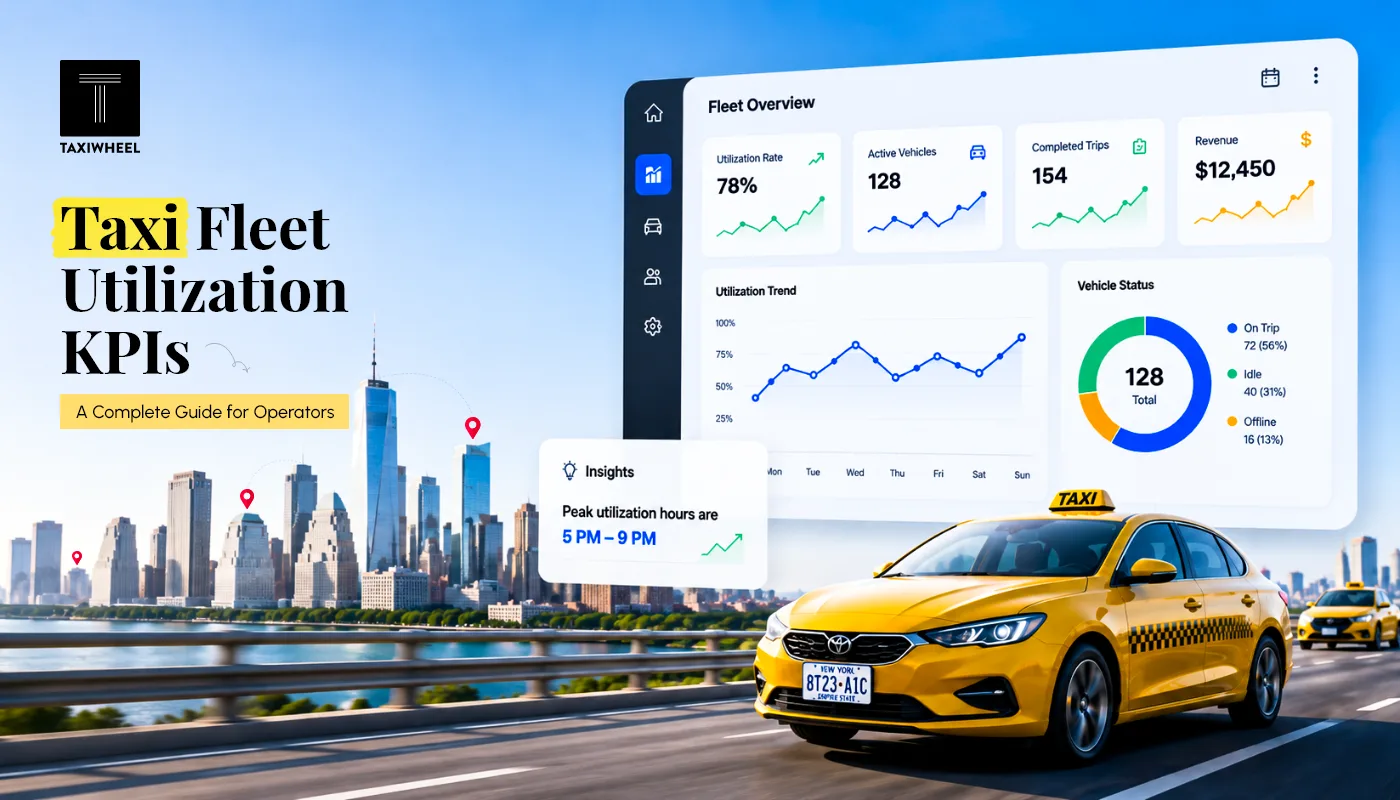
Fleet utilization shows how effectively a taxi company uses its available vehicles to complete revenue-generating trips. A strong utilization system tracks more than whether a car is moving. It also measures occupied time, empty mileage, driver availability, downtime, trip completion, cost and customer demand. Taxi operators can calculate utilization by dividing productive vehicle time by […] Read more
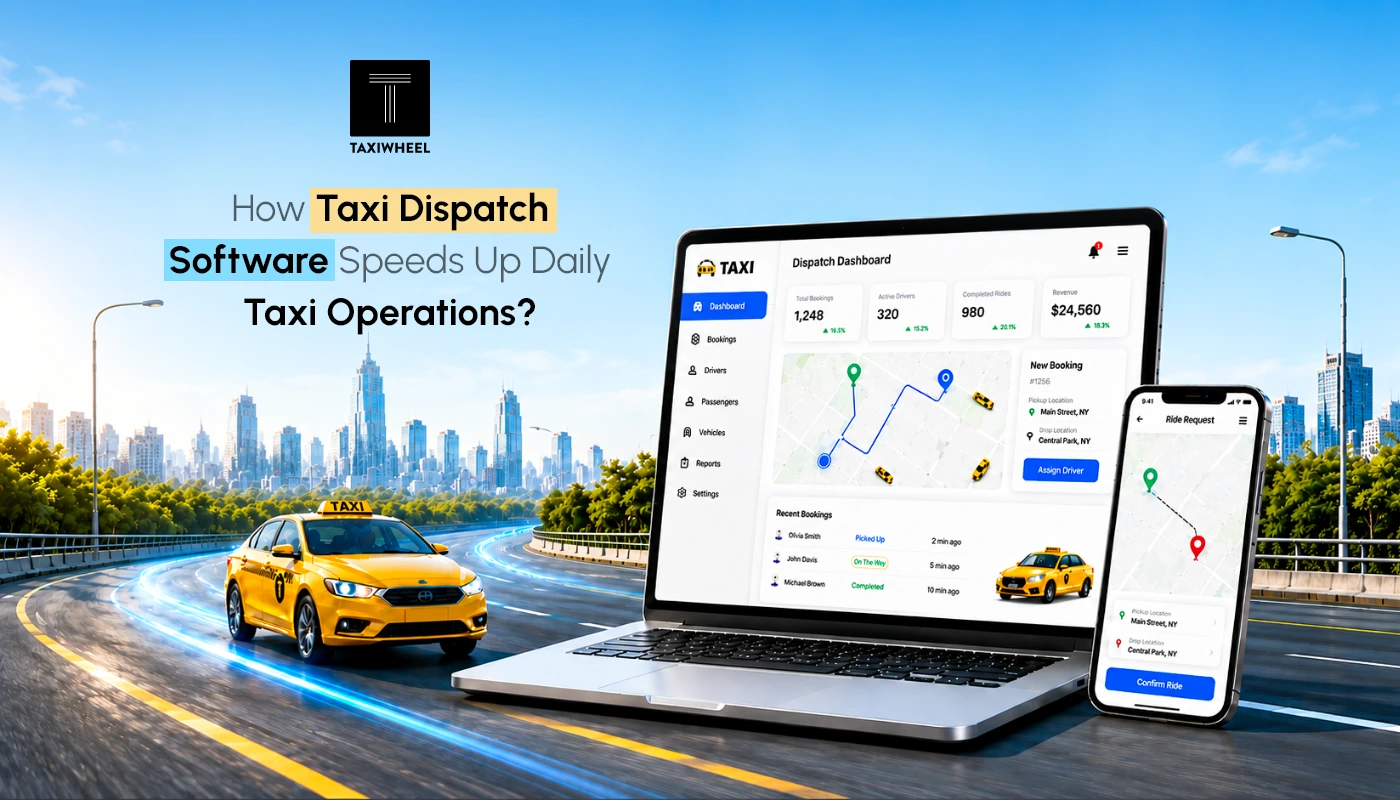
Taxi dispatch software is a centralized platform that automates ride booking, driver assignment, trip tracking, payments and fleet management. It helps taxi operators reduce manual coordination, improve driver utilization, shorten passenger wait times and manage daily operations from a single dashboard. As customer expectations shift toward faster bookings, real-time tracking and cashless payments, relying on […] Read more
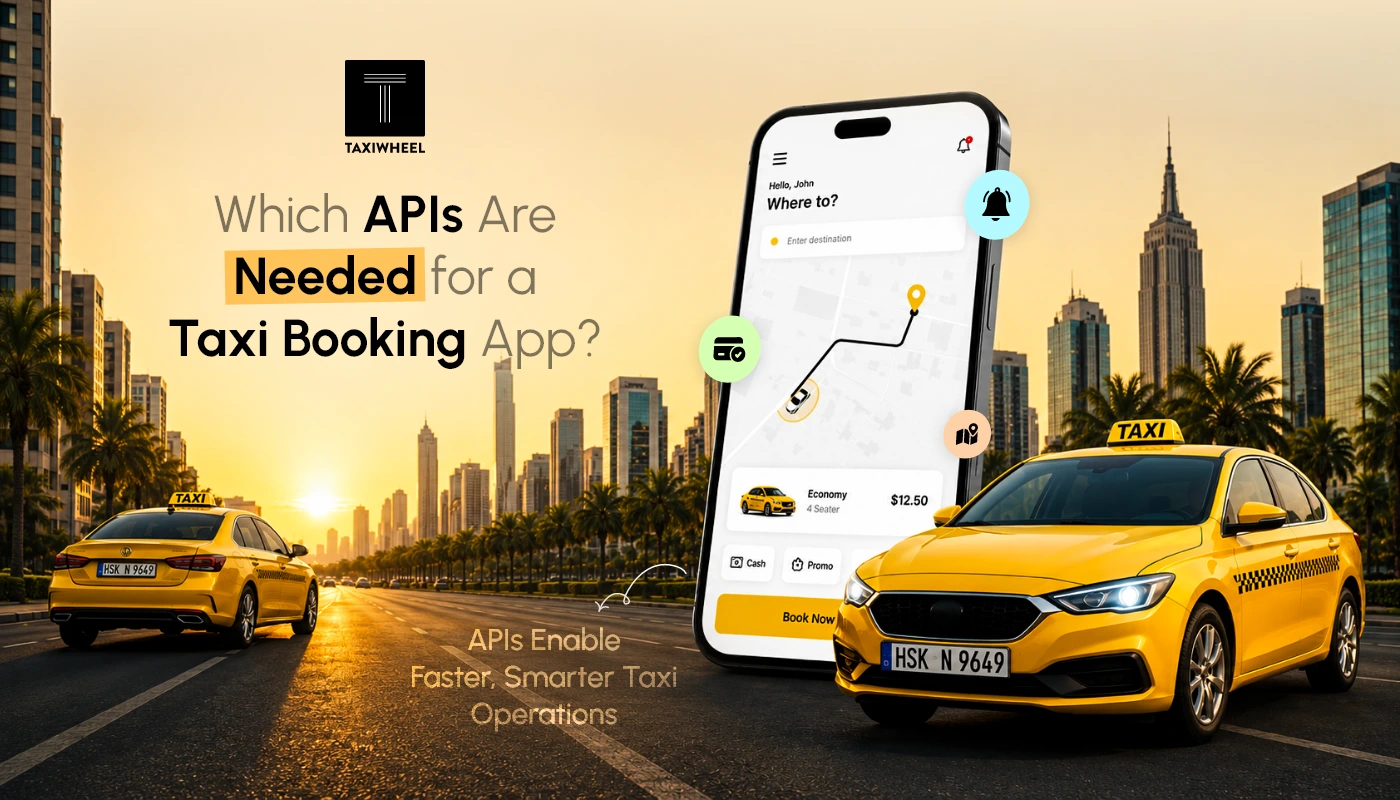
A taxi app API is a software interface that allows a ride-booking platform to exchange data with maps, payment gateways, notification services, dispatch systems, and other external technologies. APIs form the operational backbone of modern ride hailing apps. They help passengers find pickup locations, allow drivers to receive trip requests, calculate routes and fares, process […] Read more